
The Powder Room
Violent family blood, betrayal, murder, humor, and redemption . . .all in the stew of Dave Perkins’ thorny epic of the unbleached South, POWDERHEAD
Release Date: Autumn 2026
Lugnut Records
Contact: Sue Jones
Powderhead, the Southern backwoods homestead from Flannery O’Connor’s The Violent Bear It Away, is the stage from which the book’s actors explode into the imagination. Along with William Faulker’s Sanctuary, Cormac McCarthy’s Blood Meridian, and Celine’s Journey to the End of the Night, the gothic sensibilities of The Violent Bear It Away inspired the songs of this album. The result is a mélange of Southern Gothic sensibilities and emotions expressed in a first-person voice that is alternately uncomfortable and engaging.
Powderhead Backstory
“I walked out of the Greyhound bus depot in Milledgeville Georgia lugging an oversized Samsonite suitcase and a behemoth desk typewriter from my father’s Philadelphia office. It was a new world for me, but an old world—you might think the war between the states was yet to be decided. Fresh from the land of “Yankees,” it was instant culture shock.
Georgia College was a grand old southern campus surrounded by antebellum mansions General Sherman refrained from burning on his march across Georgia.
Almost from the start of classes, I began hearing the name Flannery O’Connor. She was a local hero; educated at the college. Female firebrand; rebel spirit. Some of my professors knew Flannery and spoke of her with amused awe. The mother of my friend Lynn was one of Flannery’s close friends, the inner circle.
It was a year before I realized that Flannery was dead. People spoke of her as if she was vibrantly alive. And she was, by way of the words she left behind. As I discovered Flannery’s stories along with the landscape and people she described in jagged linguistic angles, something came alive in me. Something odd that sang a tune that fit me uncannily.
Flannery has not diminished in my imagination; she is in my creative DNA. Whether it’s one of my songs, an essay, or memoir her unique way of seeing humankind is hiding in plain sight. Because of Flannery, I sought other Southern voices—Faulkner, Eudora Welty, and newer kindred spirits like Cormac McCarthy. Those voices come together in the songs of Powderhead, my ode to the gothic Southern wind that slapped me in the face as I stepped through the doorway of the Greyhound Station into Flannery’s world.”
NOTE: One should listen for the first time as if reading a book.

Powderhead
The Performers:
Dave Perkins vocals, acoustic and electric guitars
Antoine Silverman - violin
Garry Tallent – bass (Journey to the End of the Night)
Lynn Nichols - guitar (Just Like Jesse James)
Phil Madeira – organ (Journey to the End of the Night); guitar and background vocal (True Fan)
TJ Klay – harmonica (Hole, Real Money)
Greg Morrow - drums (Journey to the End of the Night)
Kenny Meeks – bass and background vocal (True Fan)
Jim Foster – drums (True Fan)
Chris Donohue – bass – (Disturbator, Just Like Jesse James)
Credits:
All songs: words and music by Dave Perkins (Dreambox / ASCAP)
Except Hero’s Wine: Music by Dave Perkins (Dreambox / ASCAP); Lyric by Dave Perkins (Dreambox / ASCAP) and Doug Powell (Dolce Vitunes / Magdalena Deak Music/BMI)
Recorded and Mixed on the Reelsound Bus at Garden of Eden (Nashville, TN)
Mastered by Alex McCollough at True East Mastering, Nashville, TN
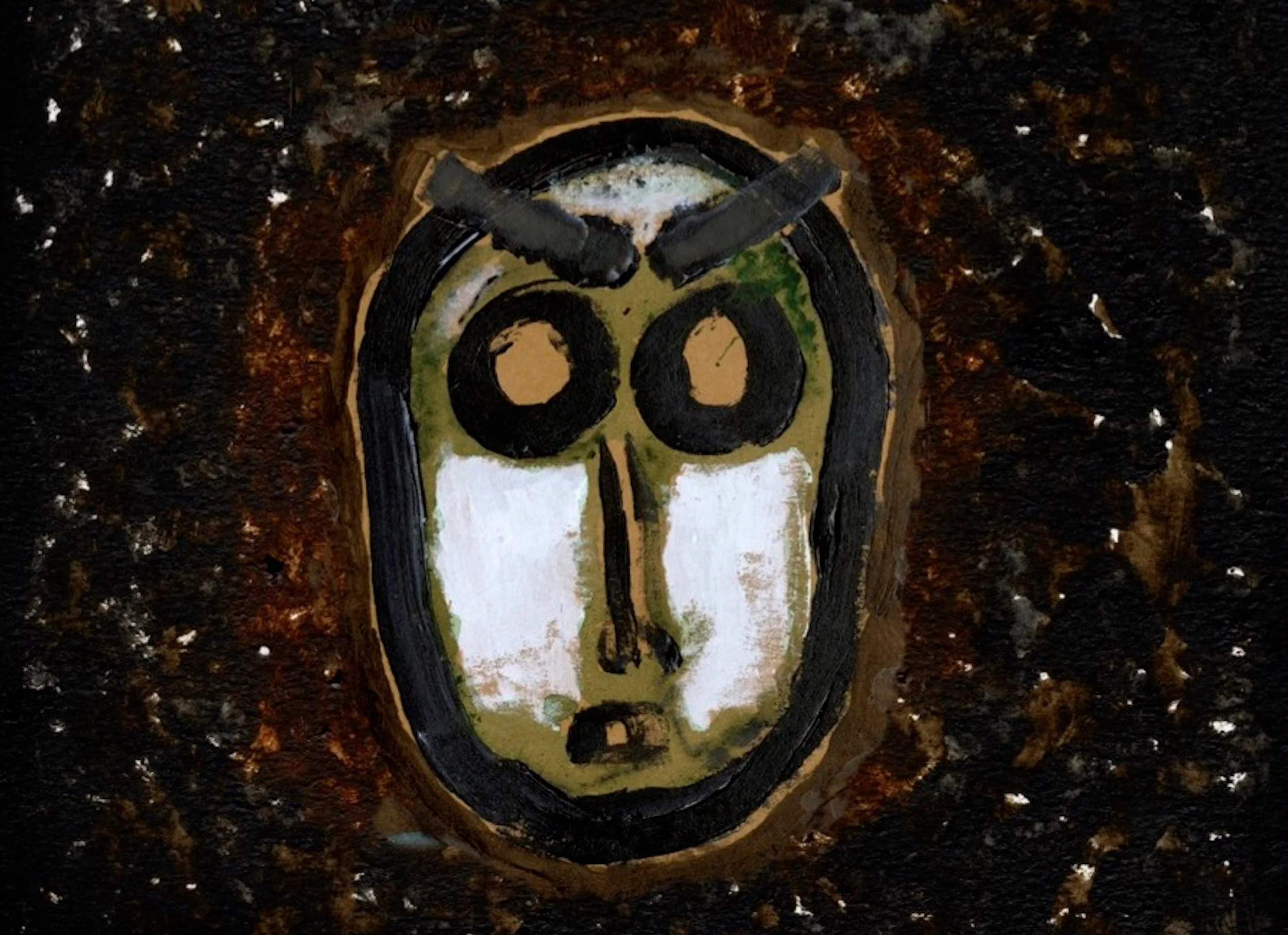
Cover Painting: “Double-Ought Self Portrait” by Dave Perkins
Back Cover Photo: Michael Wilson
Cover Design: Tom Gulotta
Special Thanks: Malcolm Harper, Robert Stewart, R&L Stonehill, Donna Jones Bailey for the old Martin, The Sue Jones Magic Show
-
Powderhead
Autumn 2026
The Southern backwoods homestead, Powderhead, was the stage from which the actors in Flannery O’Connor’s The Violent Bear It Away exploded into my imagination. Along with William Faulker’s Sanctuary and Cormac McCarthy’s Blood Meridian, the gothic sensibilities of The Violent Bear It Away inspired the songs of this album.
-
Local Life
June 2023
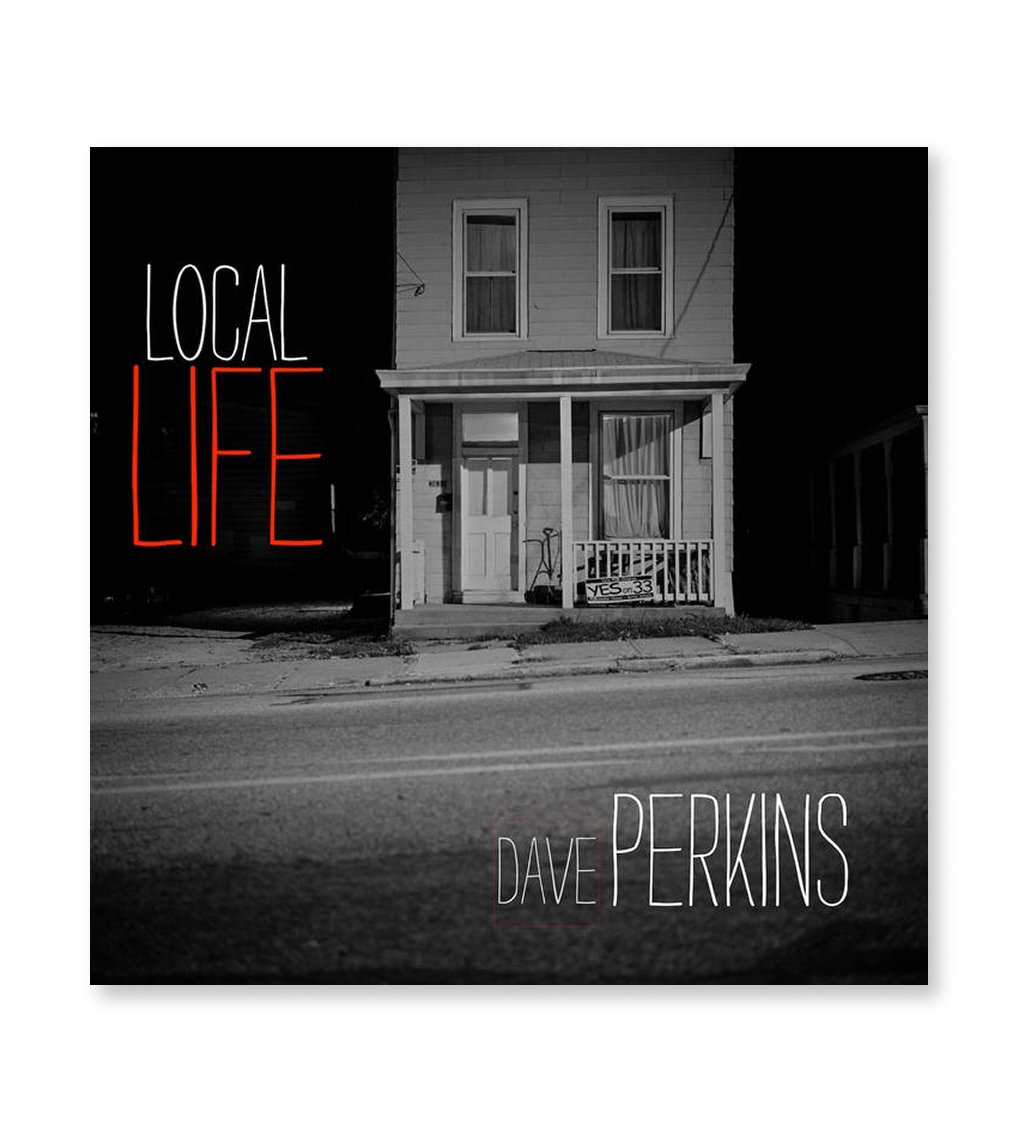
Seven years in the making, Dave Perkins’ Local Life is a collection of short stories set to music—music that takes flight in a range of altitudes and directions. While each song tells its own story, Local Life overall is an archaeology of emotion. This is me digging in my past uncovering where loss, heartbreak, and standing at the threshold of non-being (cancer) shape the world I know. Tucked in between those thorny themes are reflections on dear people and sacred places that have contributed to my sense of self and brought sweetness to a troubled soul.
-
Fugitive Colors
March 2017
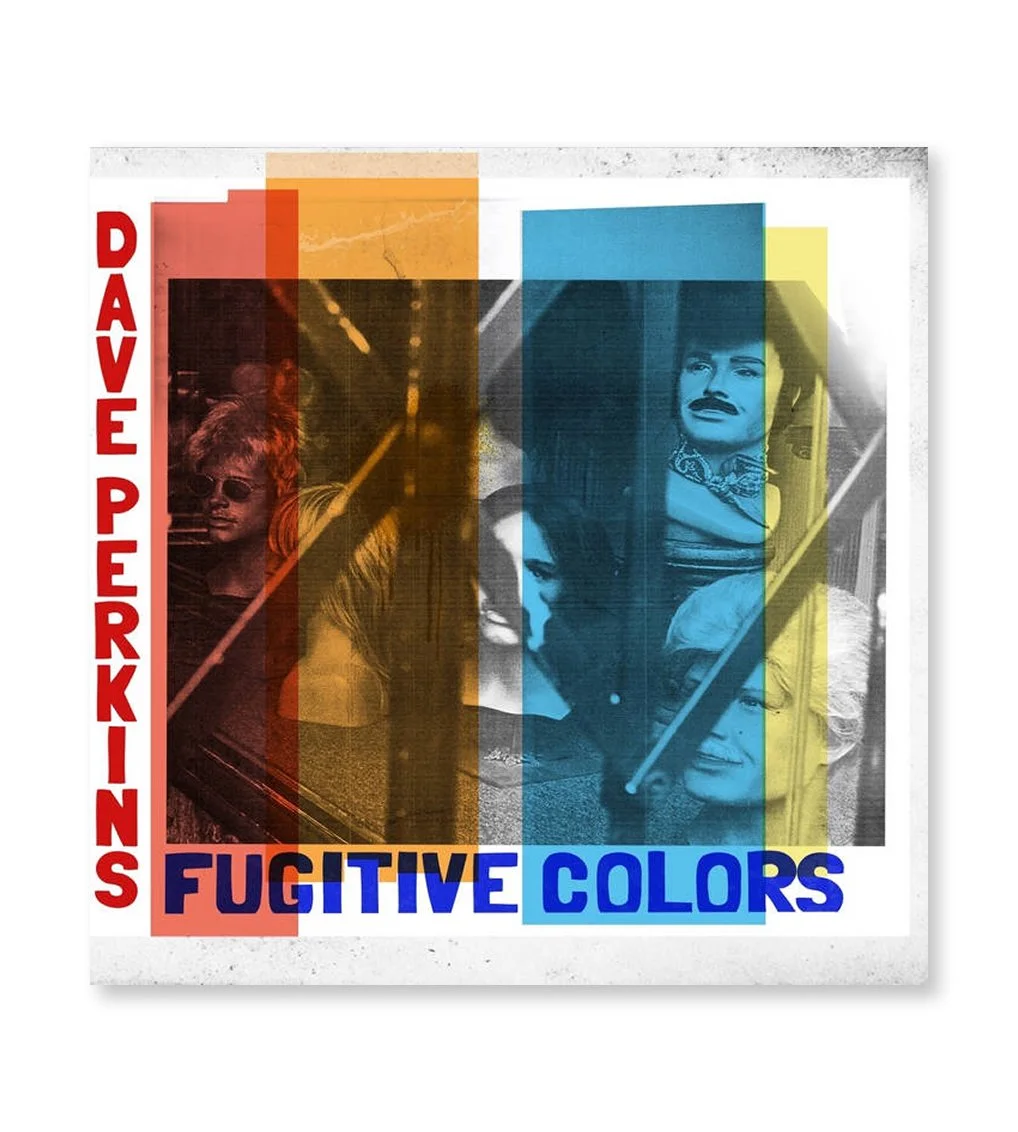
Raw but elegant guitar architecture. Lyrics that conjur spirits of the past. A voice unique to him. These are the defining characteristics of Dave Perkins’ Fugitive Colors, an eclectic collection of songs that seem to bridge the boundary lines of multiple genres of American music. One early listener described Fugitive Colors as “genre-free.” Thanks to Perkins’ individualistic guitar approach to song construction, the question is blurred as to where, if in any of the well-worn locations, this album belongs. Americana? Contemporary folk rock? Alternative rock? Singer-songwriter?
Lyrics | Credits -

The Innocence
October 1987
Released in 1987 by A&M Records and What? Records, The Innocence was Dave Perkins’ first label release after his journeyman years as guitarist for a number of outstanding American music makers. The album drew much interest for its combination of Southern music sensibilities with Anglophile New Wave and Post-Punk. Prominently featured on the album is Perkins’ rhythm guitar playing, performed mostly on a 1962 Stratocaster as opposed to his old Gibson Les Paul. Perkins’ guitar style here is percussive with a slash and burn abandon.
-
Pistol City Holiness
April 2009
. . . high-velocity, southern blues-rock . . .a seismic mixed-breed of tradition and post-mod
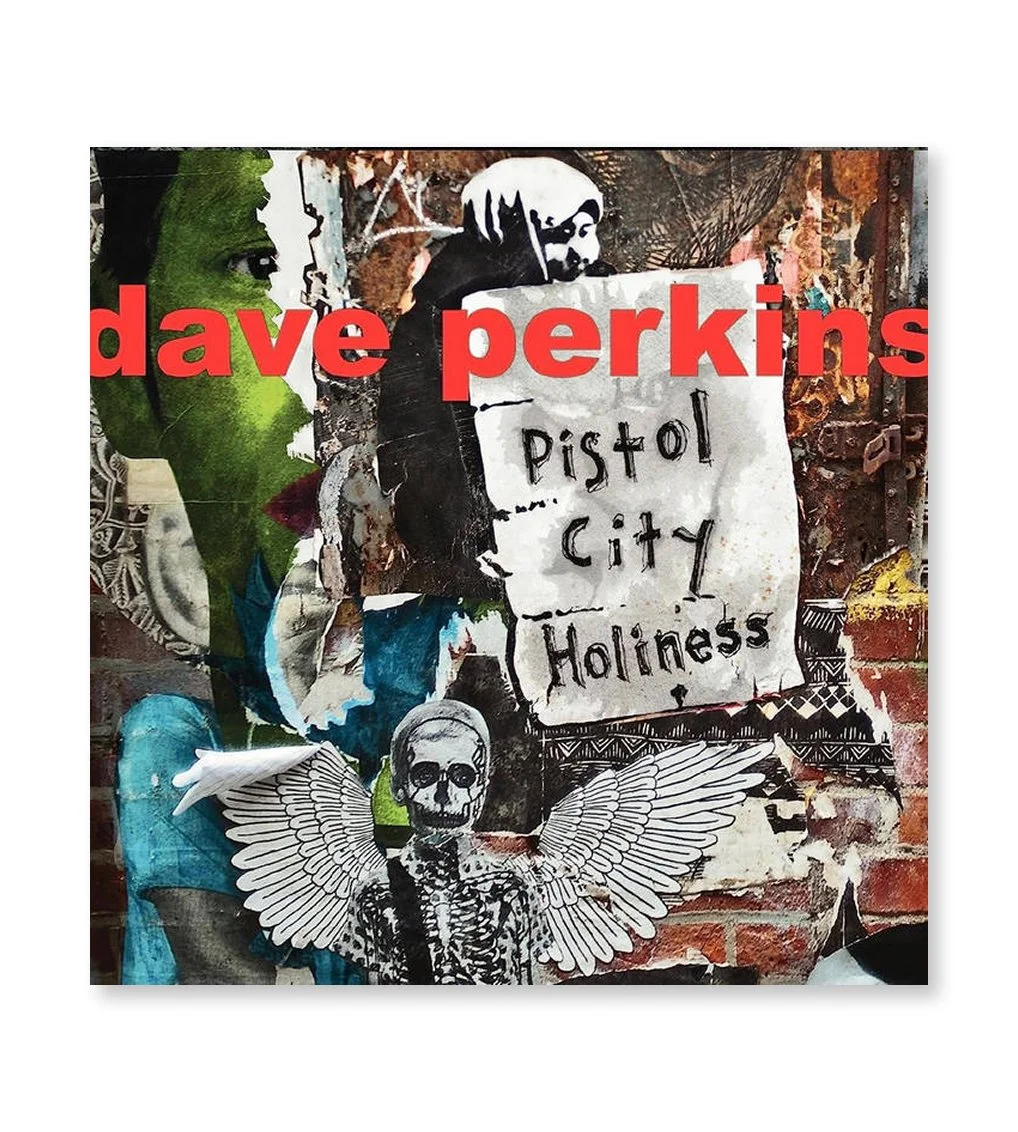
Described by critics as a blues-rock masterpiece, Pistol City Holiness is Dave Perkins’ return to his first love. “The blues was the first music to capture my imagination,” says Perkins. “It grabbed me because it was something other—alien—and, yet, at the same time, deeply familiar. I’ve never gotten over it. I’ve worked in a lot of different styles of music, but my approach to each one was and will always be shaped by the blues.” Reflecting on the creation of Pistol City Holiness, Perkins says, “I wanted to make an album that brought back the excitement I felt when I first heard Muddy Waters, Cream, Fred McDowell, and Peter Green. “ A brew of musical energies, Pistol City Holiness blurs boundary lines between styles, and makes an artistic statement that speaks to the variety and depth of Perkins’ experience—musical and otherwise—all while keeping the blues as the emotional, musical, and spiritual center.
-
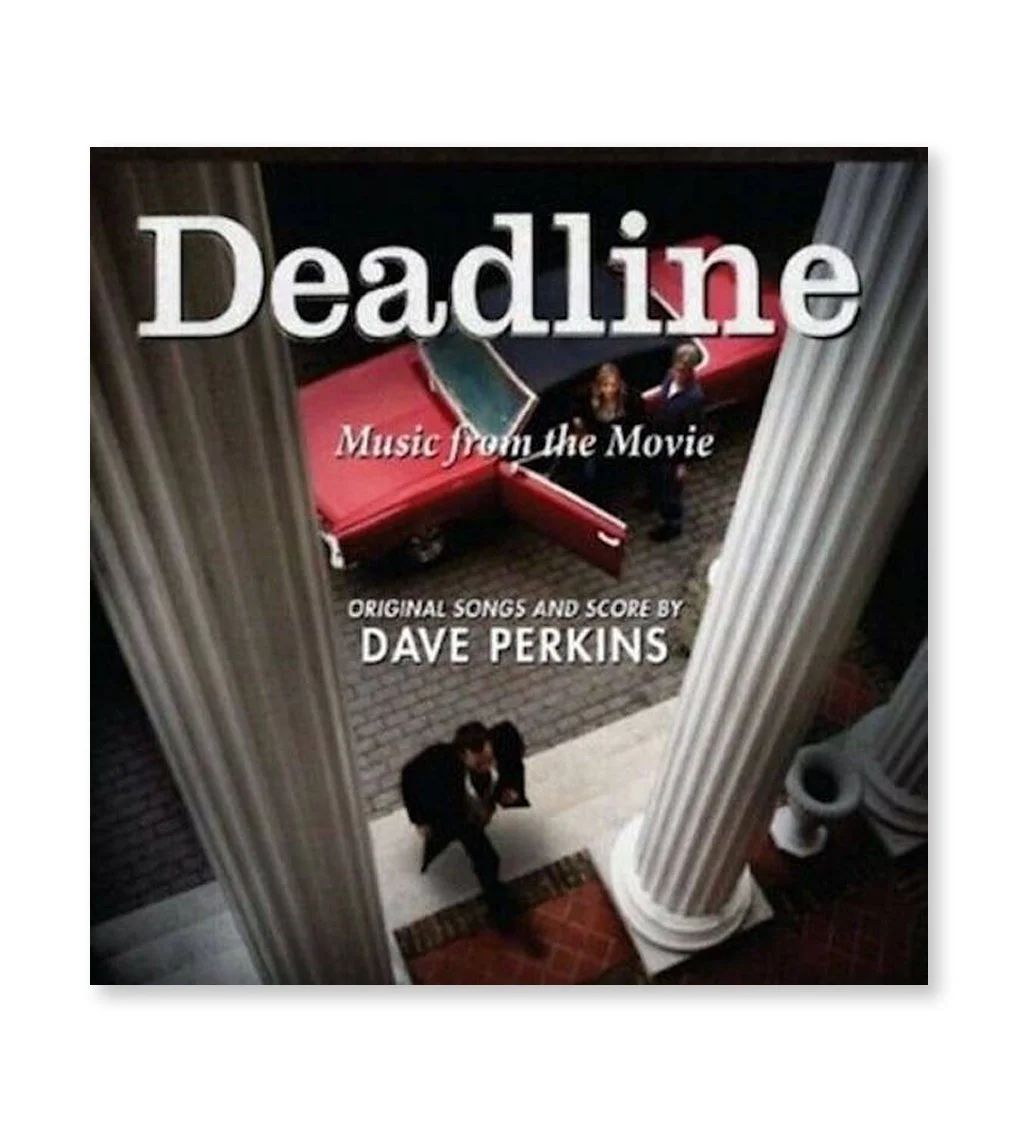
Deadline
February 2012
When it is suggested that the Deadline soundtrack has him following in the footsteps of some very notable guitarists, Perkins responds, “I admired John Hammond’s work on Little Big Man. Same with Lanois and Sling Blade. Ry Cooder’s Paris, TX and The Long Riders go without saying.” Perkins says that the film’s setting in the deep South offered a particular enticement to his signing on for the project. “The region’s rich music history allowed me to cover a lot of stylistic terrain. The soundtrack is something of a travelogue of where I’ve been musically.” In building a bridge between Deadline’stwo cultural locations— the shiny new urban South of cities like Atlanta and Nashville and, also, the rural South where traditions linger—Perkins’ primary tools are his guitars. They cover Appalachian and Delta ground and, on the other extreme, the modern and experimental. It is in the department of songs, however, that Perkins’ score rises above its first function as sound for picture. “To Be Redeemed” is nothing less than a contemporary civil rights anthem that reaches beyond the issue of race to voice the cry of many Americans—the currently in-the-news 99%—who are speaking out because they fear for their future. -

Live/Still alive
September 1979
Cassette only. Recorded in 1979, Side One is live at Kenny's Castaways in Greenwich Village, NYC. Side Two features song demos recorded for Atlantic Records. Playing on the album is the Dave Perkins Band that won the hearts of many as the band played up and down the East Coast and South between 1978 and 1983.
-
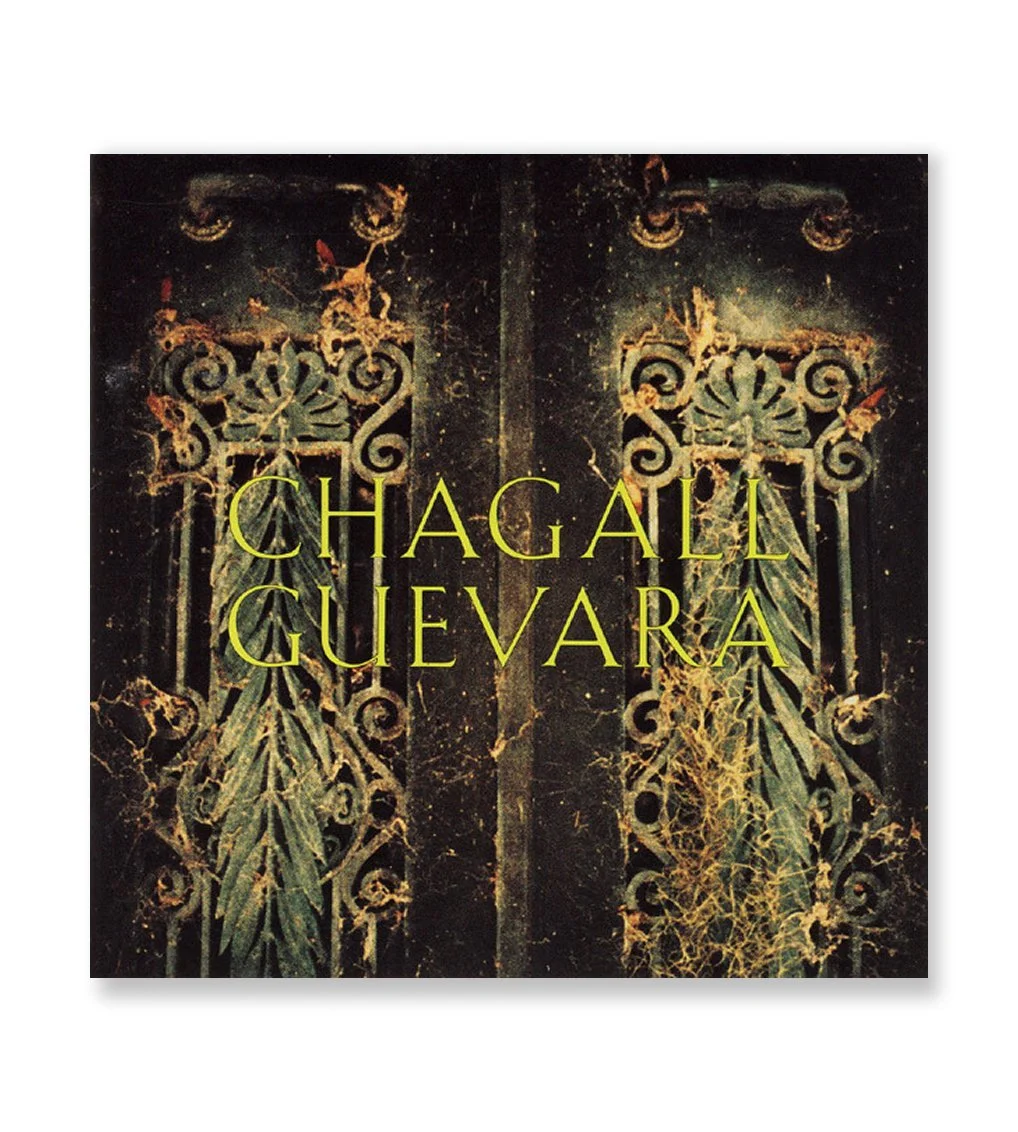
Chagall Guevara - Chagall Guevara
Much has been said about Chagall Guevara, this album in particular. For my money, Rolling Stone Magazine said it best when its review of the album turned the phrase “Not since The Clash . . . “
-
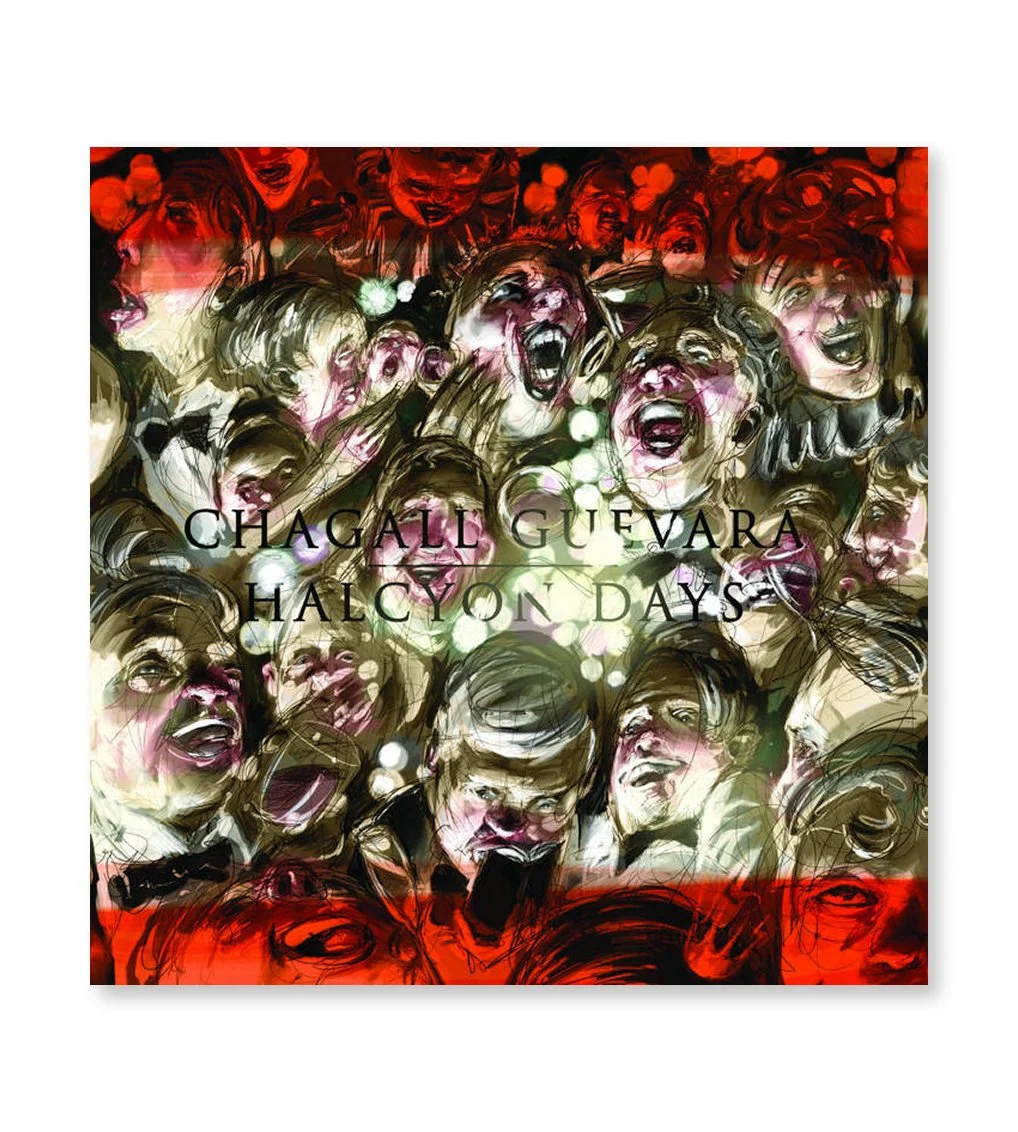
Chagall Guevara - Halcyon Days
Three new tracks fill out this collection of songs from the Chagall Guevara storage vault—movie soundtrack cuts, UK B-sides, unpublished demos, and compilation album cuts. The title track finds CG making music for the post-punk surf crowd.
-
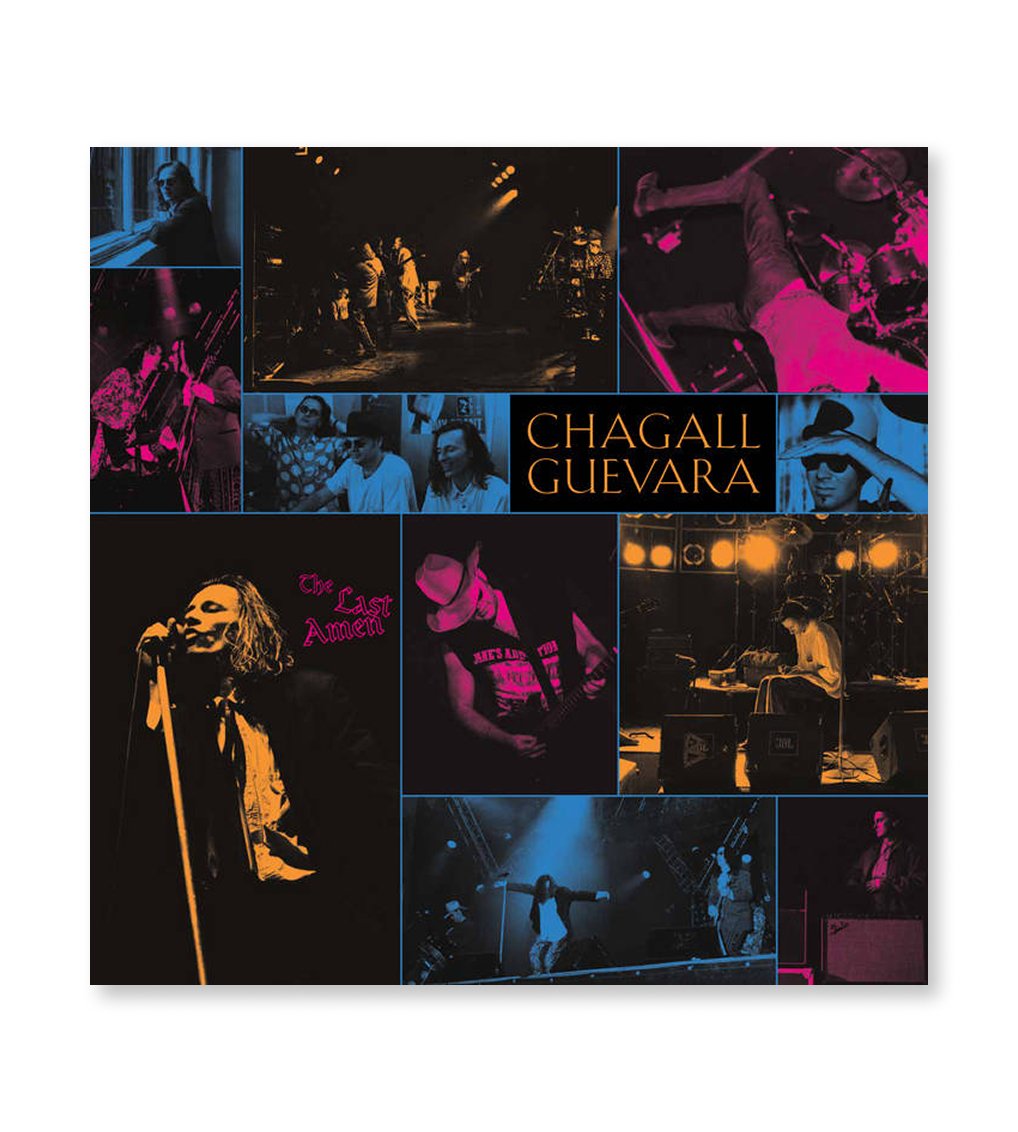
Chagall Guevara - The Last Amen
Recorded live at Nashville’s 328 Music Hall, the album captures Chagall Guevara at the peak of its powers. The band was distracted that night by an unruly audience. Many tried and several succeeded in getting access to the stage where swan dives into the shoulder-to-shoulder crowd were judged and awarded with various levels of applause. One such diver disrobed behind the amp line before his glorious leap into the void. I remember his face as he dove—a dumb smile under glazed eyes.
-
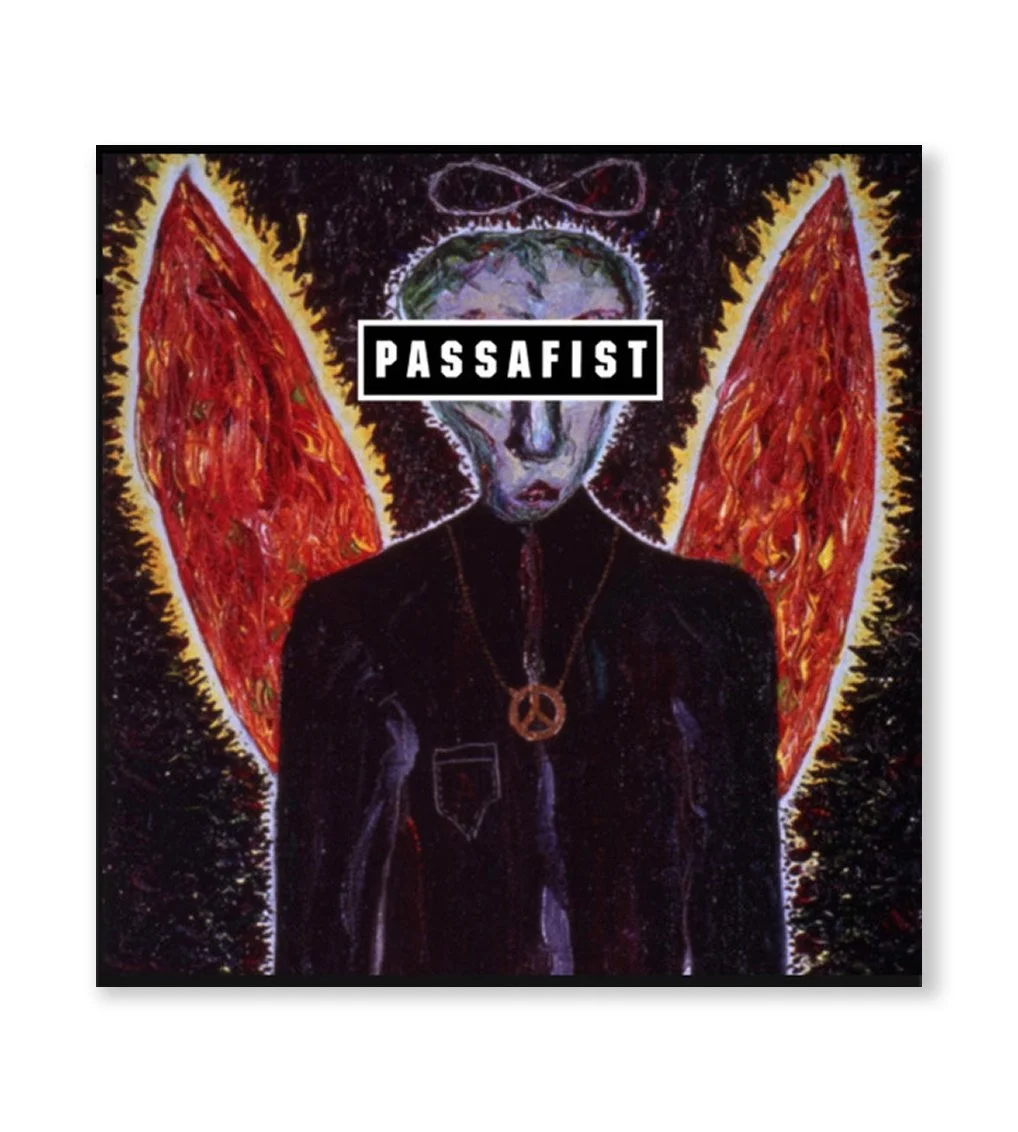
Passafist
Vintage guitars and amplifiers coupled with computer-driven “industrial” drums and bass support songs that display dark humor and sly wit. An intense slab of noise that will make you think while you’re banging your head against a wall.

Dave Perkins music is available on all the major streaming platforms



-

Music
Listen to Dave Perkins
-

Gallery
View the Art of Dave Perkins
-

Library
Read the writings of Dave Perkins